Resolve Betting Withdrawal and Account Problems in the UK
 Available in GB
Before raising a formal dispute, ensure you fully understand the standard ID checks and withdrawal procedures required by operators to process your funds.
Identifying Common UK Betting Withdrawal and Account Issues
Write one sentence that describes the problem without emotion or assumptions. For example: “My withdrawal was requested on a specific date and the business has asked for more identity evidence.” Another example might be: “My account was closed and the balance treatment is unclear.” That sentence keeps the complaint focused. It also stops you mixing several questions together, which can lead to confused answers.
Next, separate the facts from what you fear might happen. Facts include transaction references, account messages, copies of identity requests, terms you accepted, chat transcripts, email replies and screenshots of account notices. Fears might include “they will never pay me” or “the site has stolen my money”. Those fears may feel understandable, but they are not evidence. Keep them out of the first complaint message and put the evidence in instead.
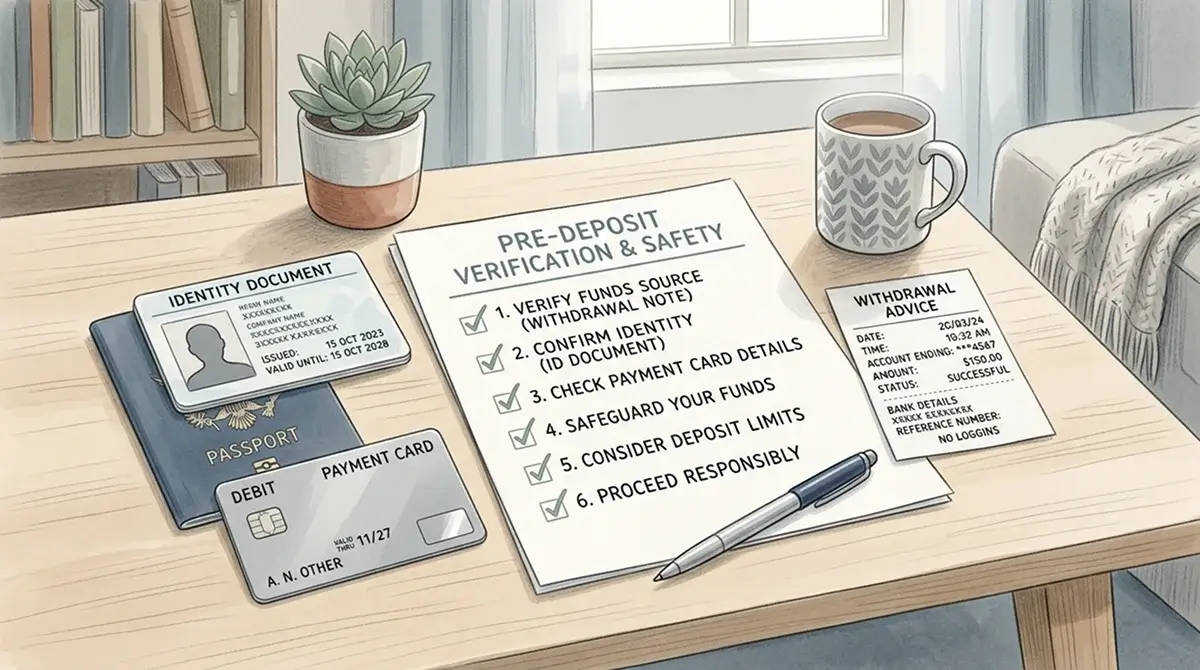
If the problem started after a bonus, free spin, promotion or wagering rule, read the terms that applied at the time of the offer. Do not rely only on a short advert or a banner. If the issue started after an ID request, keep a record of what was requested, what you sent, when you sent it and how the business replied. If the problem is a payment delay, note the method used, the withdrawal request time and any explanation given by the business.
Evidence to keep before the dispute grows
| Record | Why it matters | How to keep it useful |
|---|---|---|
| Account and transaction references | They help the business identify the exact payment, bet or account action. | Copy reference numbers exactly and keep the date beside each one. |
| Terms and offer wording | Many disputes turn on withdrawal rules, bonus restrictions or identity wording. | Save the page or take dated screenshots before wording changes. |
| Messages and chat transcripts | They show what you were told and when the business replied. | Keep full threads rather than isolated lines that lose context. |
| ID or verification requests | They show whether the issue is about age, identity, account security or source of funds. | Record what was requested, when you sent it and whether a reason was given. |
| Deposit and withdrawal history | It helps separate balance, bonus balance, fees and payment timing questions. | Keep your own notes as well as anything shown inside the account. |
Do not send more personal documents than the business has requested, and do not send documents through a channel that the business itself has not identified as secure. If a request feels unclear, ask what is needed, why it is needed and where it should be uploaded. That question is practical, not confrontational.
A step-by-step complaint path
- Pause new deposits while the issue is open. A dispute is harder to manage if you add fresh transactions, bonuses or account activity before the original problem is understood.
- Read the relevant terms. Focus on the section linked to the problem: withdrawals, identity checks, bonus rules, account closure, cancelled bets or complaints.
- Contact the gambling business first. Consumers have the right to complain to the relevant business, and gambling businesses should have fair, open and transparent complaint procedures.
- Use a clear complaint message. State the account reference, the issue, the date, the evidence attached and the outcome you are asking the business to explain.
- Keep dates and reference numbers. Record when you complained, how you complained, who replied and whether the complaint was acknowledged.
- Do not turn a complaint into threats. Strong language may feel satisfying, but it can hide the useful question. Ask for the rule, decision or evidence behind the business response.
- Understand the eight-week point. Gambling businesses must have alternative dispute resolution arrangements if a complaint is unresolved after eight weeks.
- Separate dispute handling from reporting concerns. If you believe activity is suspicious or unlicensed, the Gambling Commission can receive reports in confidence, but that is not the same as deciding your individual transaction complaint.
The key boundary is important. The Gambling Commission guides consumers on complaint routes, but it does not resolve or decide individual gambling transaction complaints. That means it is unwise to write a complaint as if the regulator will simply order a business to pay. Your strongest position is a clean record, a focused question and use of the correct route at each stage.
When the issue involves withdrawals, ID or account closure
Withdrawal problems often overlap with identity checks. That does not automatically mean the request is wrong, and it does not automatically mean the business is right. The practical question is whether the request is explained, whether it matches the terms, whether the channel for sending information is clear, and whether the business is responding through its complaints process when challenged.
Account closure can also mean several things. It may relate to verification, terms, security, safer-gambling concerns, suspected rule breaches or business decisions. Do not guess. Ask the business to identify the reason it can share, the balance treatment, any outstanding checks and the complaint route if you disagree. Keep the answer. A later dispute is easier when you can show what was said rather than relying on memory.
If the problem appeared because you accepted a bonus, separate deposit balance, bonus balance and promotion restrictions in your notes. A complaint that says “you took my winnings” may be too vague. A complaint that identifies the promotion, the term being relied on and the transaction affected is more useful.
If you have not yet deposited and are still deciding whether a site looks credible, use official status checks before depositing. If the issue is mostly about money movement, read payment, ID and withdrawal rules to read before adding more transactions.
If the complaint is tied to loss of control
A dispute can become dangerous when it turns into a reason to chase losses. You might feel that a new deposit will recover the missing amount, prove a point or unlock the account. That is a warning sign, not a strategy. If you are already self-excluded, using bank blocks, or feeling pressure to keep gambling while angry, treat the complaint and the gambling urge as two separate problems.
For the complaint, keep the evidence and use the formal route. For the urge to keep gambling, add friction now: step away from the account, ask your bank about gambling transaction blocks if they are not already active, and consider support. The support page for people who are self-excluded or blocked and still feel tempted explains safer next steps without judgement.
If you are looking for reliable platforms with transparent rules, always check our recommended trusted betting sites not on Gamstop before making a deposit.