Next Steps for Self-Excluded Betting and Blocks in the UK
 Available in GB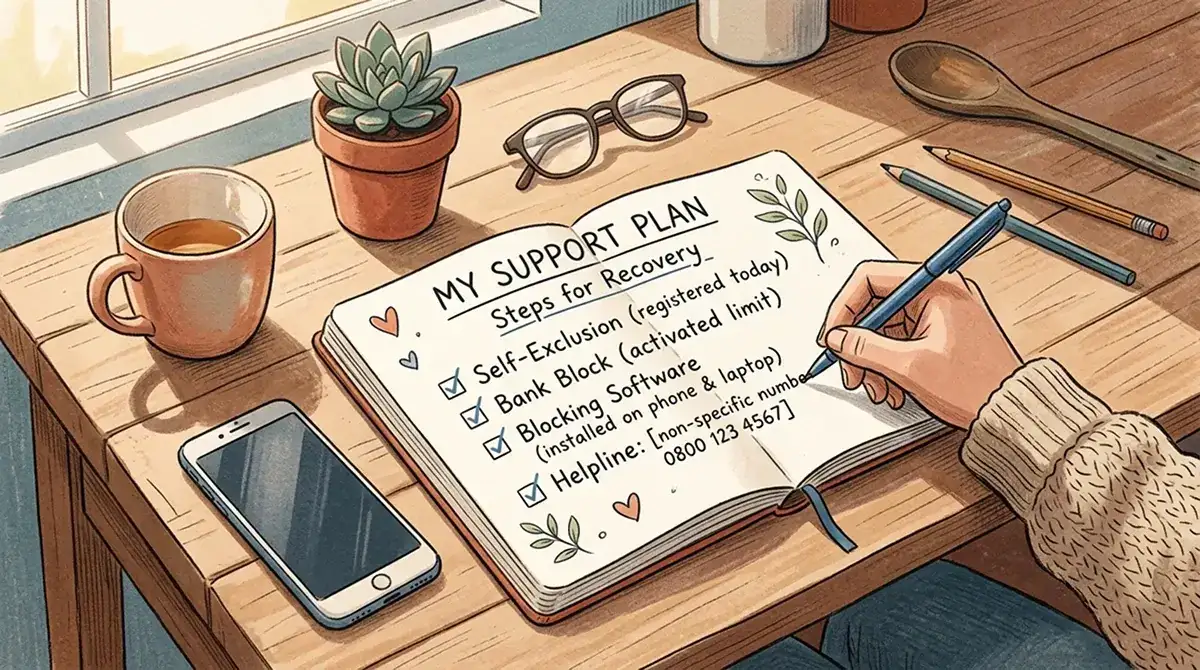
If you decide to return to gambling after your block expires, always use an official gambling business licence register to verify the operator’s legitimacy.
Managing Active Betting Blocks and Self-Exclusion Tools
A protection tool can feel harsh when it stops the action you want to take right now. That does not mean the tool has failed. It means the tool has created a pause. In that pause, you can decide what happens next before emotion, losses or pressure make the decision for you.
Self-exclusion works best as one layer among several. The Gambling Commission has explained that self-exclusion is most effective when combined with other blocking tools such as gambling blocking software and payment-card blocking. GamCare also describes blocking software as a programme or app that stops access to websites or services. Bank gambling blocks can add another layer by stopping gambling payments where the bank and account setup support that feature.
None of these tools should be described as a guaranteed cure. They are friction. Friction matters because gambling urges often rise and fall. A few minutes away from the account, the payment page or the device can be enough to move from impulse to choice.
Four common moments and safer next steps
| Moment | What may be happening | Safer next step |
|---|---|---|
| I am on GAMSTOP and want to open an account somewhere else | The urge may be looking for a gap in the boundary you set for yourself. | Do not start a new account. Check that your GAMSTOP details are accurate, step away from the device and contact support if the urge feels hard to manage. |
| My bank block stopped a payment | The block may be doing exactly what it was set up to do: interrupt a gambling payment. | Leave the block in place, move money away from instant spending if you can, and use the pause to speak to someone you trust or a support service. |
| I changed my mind after a loss | Losses can create a strong pull to return quickly, especially when you feel you were close to winning. | Do not chase the loss. Write down the amount, stop new deposits, and use blocking tools or account limits to create distance. |
| I need someone to talk to now | The issue may be bigger than one account, one payment or one evening. | Contact the National Gambling Helpline through GamCare on 0808 8020 133. Phone support is available at all times, and online support is available through GamCare. |
These steps are not about shame. They are about making the next hour safer. A person can want to gamble and still choose to protect themselves. Both can be true at the same time.
Strengthen the layers you already have
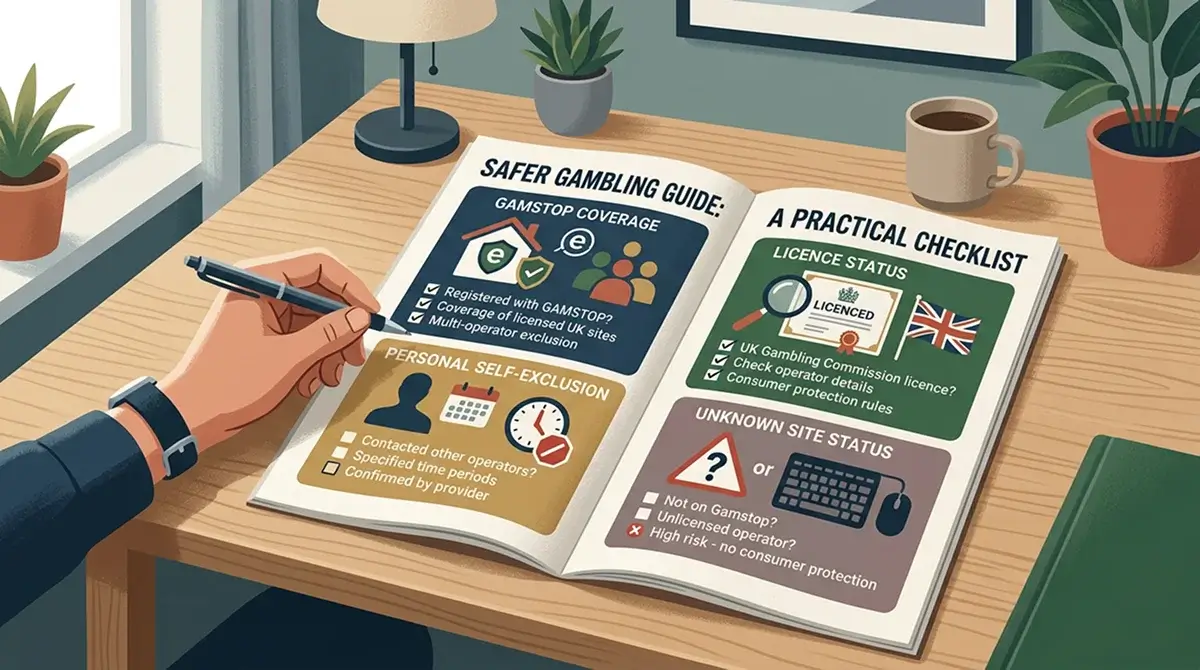
Start with GAMSTOP details. If your name, address, email or other registered details are out of date, the protection may not work as well as it should. Keeping the details accurate is a practical task, not a moral judgement. If the exclusion period is active, the safer move is to maintain the boundary and add support around it.
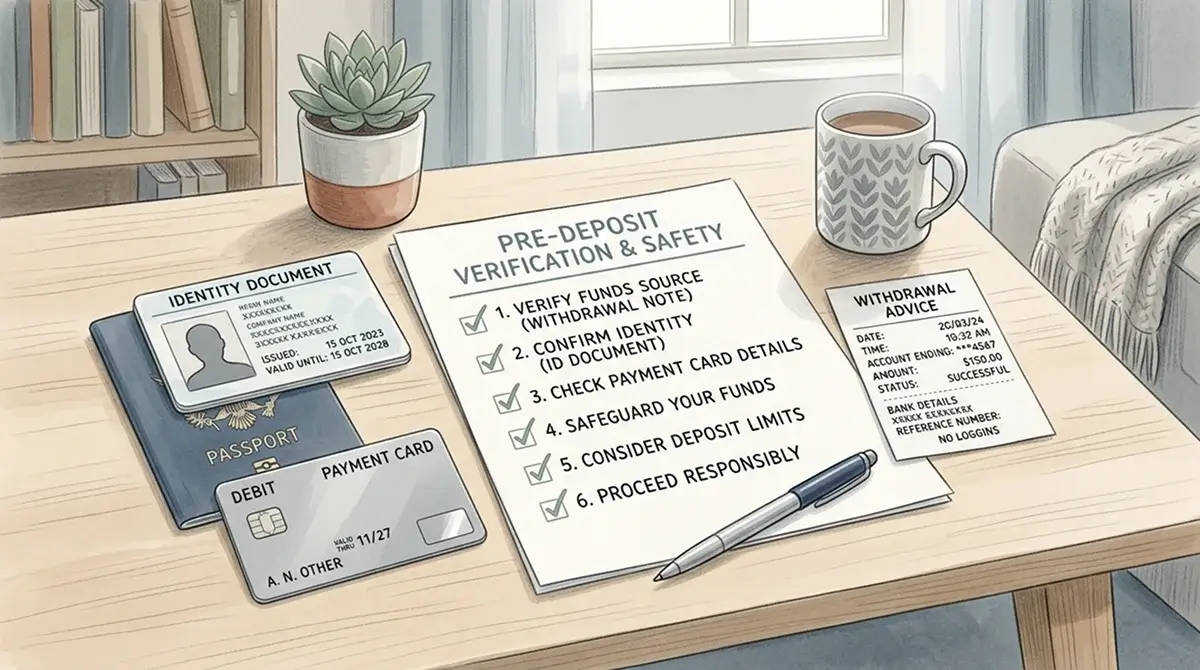
Next, look at payment friction. Many banks offer gambling transaction blocks, though features differ and current details should be checked with the bank itself. If a block is already active, do not treat it as an inconvenience. If no block is active, ask your bank what options are available. A card-level or account-level block may help slow the moment between urge and deposit.
Then look at device friction. Blocking software can help limit access to gambling websites or services. It is not a promise that every route will disappear, and it is not a replacement for personal support. It is one more barrier between a strong urge and an immediate action. The more barriers there are, the less pressure rests on one decision made at the worst possible time.
Finally, reduce private pressure. Tell one trusted person what is happening if you can. You do not need a perfect speech. A simple message such as “I am trying not to gamble tonight and need a bit of help staying away from it” is enough. If that feels too much, use a helpline or online support instead.
What not to do in a high-pressure moment
- Do not treat a protection as proof that you need a different place to gamble.
- Do not put another person’s account, card or identity at risk.
- Do not create fresh deposits while angry about a previous loss, payment issue or account decision.
- Do not use privacy, payment or identity wording as a reason to avoid ordinary safeguards.
- Do not rely on gambling to fix debt, stress, low mood, loneliness or family pressure.
Gambling communications should not suggest gambling is an escape from personal problems or a route to financial security. The same principle is useful for your own decision-making. If the reason to gamble is mainly pressure, panic or the hope of repairing a loss, it is time to stop and add help rather than carry on alone.
Help that can be used without explaining everything first
GamCare runs the National Gambling Helpline on 0808 8020 133 and offers support for people affected by gambling harm. The Gambling Commission also signposts safer-gambling tools and support. A helpline conversation does not require you to have a perfect explanation of what happened. You can start with the immediate facts: you are self-excluded or blocked, the urge is strong, and you want help not taking the next gambling step.
If there is also a complaint, payment delay or account closure, keep that as a separate practical issue. You can use the formal complaint route without using the dispute as a reason to return to gambling. If the account problem is already active, read how to handle a complaint without chasing losses. If you want to understand the original protection, read what GAMSTOP covers. If payment or ID checks feel frustrating, read why payment and identity checks can be protective.
We strongly advise seeking professional support, but if you are looking for information, our guide to non Gamstop casinos provides objective facts and safety tips.