UK Betting Payments, KYC Checks and Casino Withdrawals 2026
 Available in GB
Table of Contents
- Understanding Casino Payment Methods and Verification Rules
- ID checks should not be a surprise at withdrawal time
- A before-you-deposit decision path
- Terms that deserve a slower read
- How bonus wording can confuse withdrawal decisions
- When a fast or easy account should make you pause
- A final check before money moves
If your funds are unexpectedly locked after completing KYC, read our guide on resolving common withdrawal and account issues without unnecessary panic.
Understanding Casino Payment Methods and Verification Rules
For consumers in Great Britain, gambling businesses cannot allow credit cards to be used for gambling. Official guidance also addresses e-wallet funding from credit cards in this context. The practical takeaway is not to look for a route around the restriction. It is to understand that the restriction exists because gambling on borrowed credit can make losses and debt pressure worse.
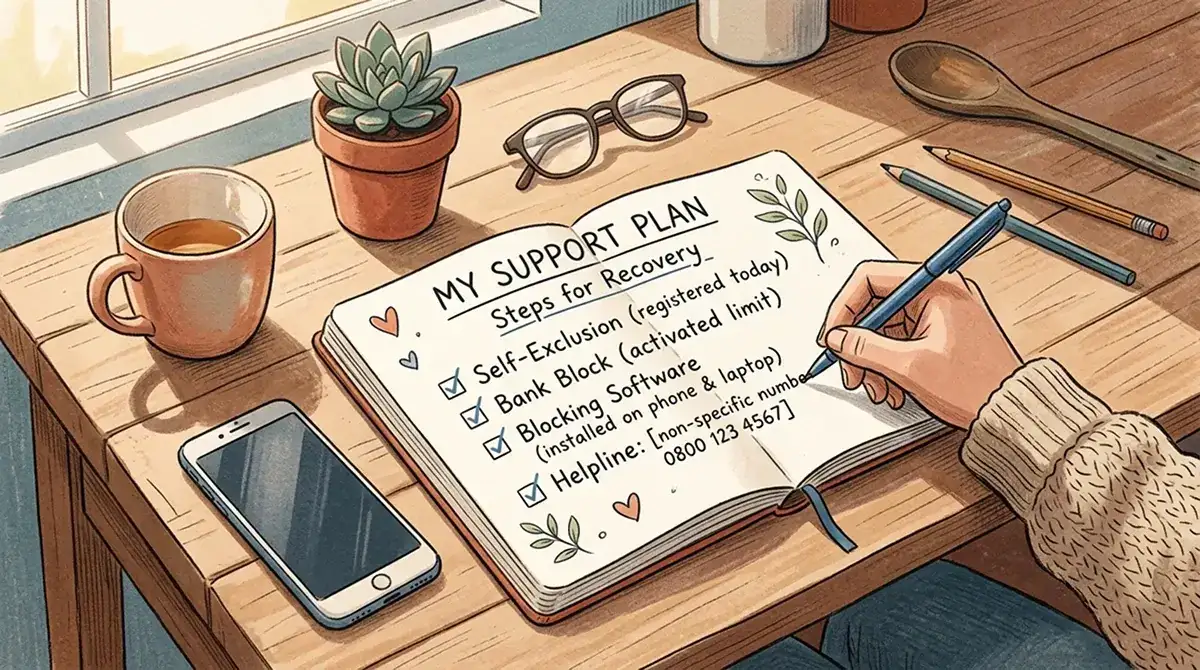
Many banks offer gambling transaction blocks, depending on the provider and the card or account setup. A bank block should be treated as a protective tool, not as a technical problem to defeat. If a payment is stopped because a block is active, that may be exactly the moment to pause. The same applies if you find yourself searching for a payment method mainly because an existing protection has got in the way.
A payment page should be clear about accepted methods, deposit handling, withdrawal routes and any fees or limits that affect your account. This guide does not make claims about any particular method or business because those details can change and must be checked with the site itself. What you can do is ask whether the terms are plain enough for a normal reader to understand before money is committed.
ID checks should not be a surprise at withdrawal time
Age and identity checks are not optional extras. They are part of the account-control process. Documents may include items such as a passport, driving licence or household bill, depending on what the business needs to verify. If more information is needed for anti-money-laundering or other legal obligations, businesses should ask without avoidable delay and should not wait until a withdrawal is requested where they could have asked earlier.
That timing matters because some readers only meet verification at the worst moment: after a win, during a withdrawal, or after an account review. Before you deposit, look for the terms that explain what documents may be requested, when checks can happen, and what happens if information is missing. Clear terms do not remove all friction, but they reduce the chance that you are surprised by a process that should have been explained earlier.
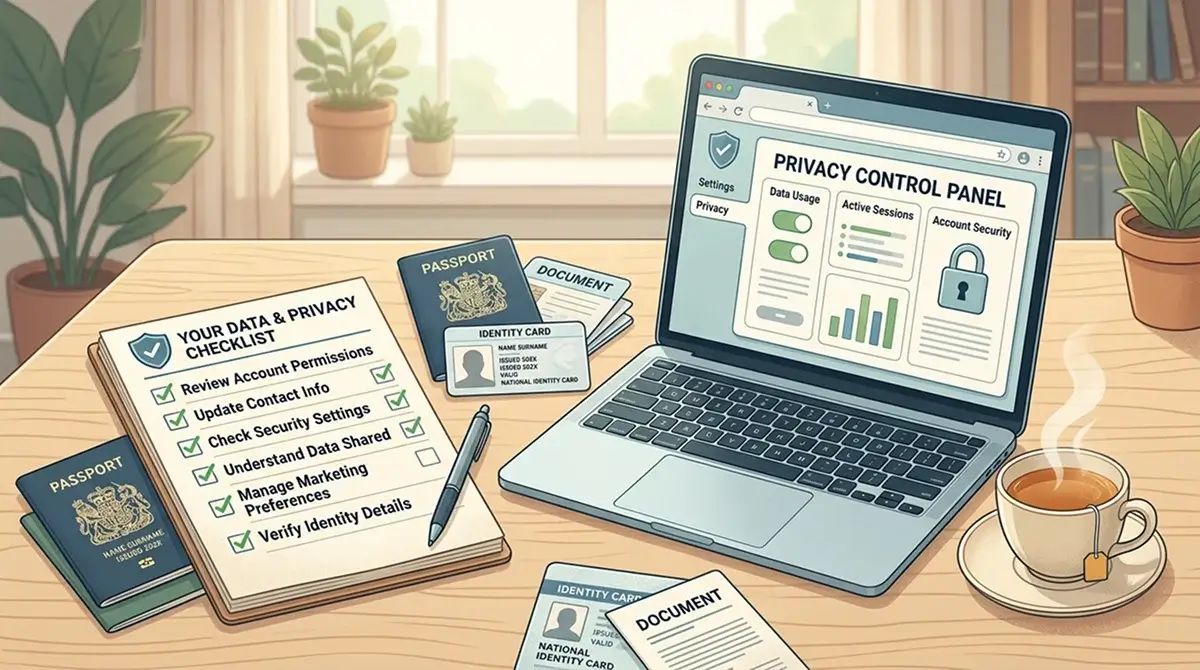
Do not use privacy worries as a reason to prefer no checks. It is reasonable to care about how identity documents and personal data are handled, but the answer is not weak verification. The answer is clear privacy information, clear KYC wording, and a decision about whether you are comfortable handing over documents to that business. For that separate data question, use the privacy and data checks page.
A before-you-deposit decision path
- Check that the payment route is not a workaround. If you are using a method because a credit restriction, bank block or self-exclusion stopped you, the safer answer is to pause rather than find another route.
- Read the ID wording. Make sure you understand what the business may ask for, when it may ask, and how account restrictions can apply if checks are not completed.
- Separate deposit balance and bonus balance. Bonus terms can add conditions. Your deposit balance, including winnings from deposit balance, should be withdrawable at any time subject to necessary regulatory obligations.
- Read the withdrawal section before a win happens. Look for limits, checks, pending periods, document requests and anything that could affect access to your money.
- Find the customer-fund protection statement. The level of protection should be disclosed, including whether funds have no protection, medium protection or high protection if the business fails.
- Consider personal limits before the first deposit. If you are already self-excluded, blocked or worried about control, the money decision should stop and support should come first.
Terms that deserve a slower read
| Term or rule | Why it matters | What to ask yourself |
|---|---|---|
| Credit-card restriction | Great Britain rules do not allow credit cards to be used for gambling by consumers. | Am I trying to gamble with borrowed money or get around a payment protection? |
| Bank gambling block | A block creates friction between an urge and a payment. | Is the block active because I previously chose protection? |
| Age and identity verification | Checks support age control, identity control and self-exclusion systems. | Does the site explain when documents may be requested? |
| Deposit balance | Deposit balance and winnings from it are treated differently from bonus money. | Can I see how deposits, winnings and bonus funds are separated? |
| Bonus conditions | Minimum spend, wagering or other restrictions can affect access to bonus-related money. | Would I still deposit if there were no bonus attached? |
| Customer-fund protection | The disclosure tells you what protection may exist if the business fails. | Do I understand the stated level of protection before depositing? |
How bonus wording can confuse withdrawal decisions
Bonuses can make a simple money decision look more attractive than it really is. The most important question is not the headline amount. It is what conditions attach to the money. Minimum spend, wagering rules, game restrictions, time limits, maximum conversion rules and account restrictions can all change the practical value of an offer. You should be able to distinguish money you deposited from bonus funds and bonus-related winnings.
Official guidance on withdrawals recognises the importance of access to deposit balances, including winnings from deposit balance, subject to regulatory obligations. That does not mean every bonus dispute is simple. It means you should read the terms before accepting an offer and avoid mixing a deposit decision with a bonus you do not fully understand.
A useful test is this: would you still open the account and deposit the same amount if the bonus disappeared? If the answer is no, the offer may be doing too much of the persuasion. Slow down and check the official status of the business, the terms, the withdrawal route and the complaint route before you let a headline offer make the decision for you.
When a fast or easy account should make you pause
Fast registration, immediate deposits and light checks can look attractive when you want quick access. In the context of gambling, they can also reduce the pause that protects you. Be cautious if a site presents no age checks, no identity checks, weak limits, alternative payments or access despite blocks as selling points. Those are not neutral conveniences when the topic involves self-exclusion and payment restrictions.
If you are tempted because a bank block stopped a payment, because GAMSTOP blocks access to participating sites, or because a previous account was restricted, treat the temptation as a sign to step away from the transaction. Read safer steps if payment blocks or self-exclusion are in place. If the issue is a live withdrawal or account problem, use the account-problem route rather than trying to recover losses through more gambling.
Enjoy faster payouts and fewer restrictions by joining a top-rated independent UK casino with verified and secure payment methods.
A final check before money moves
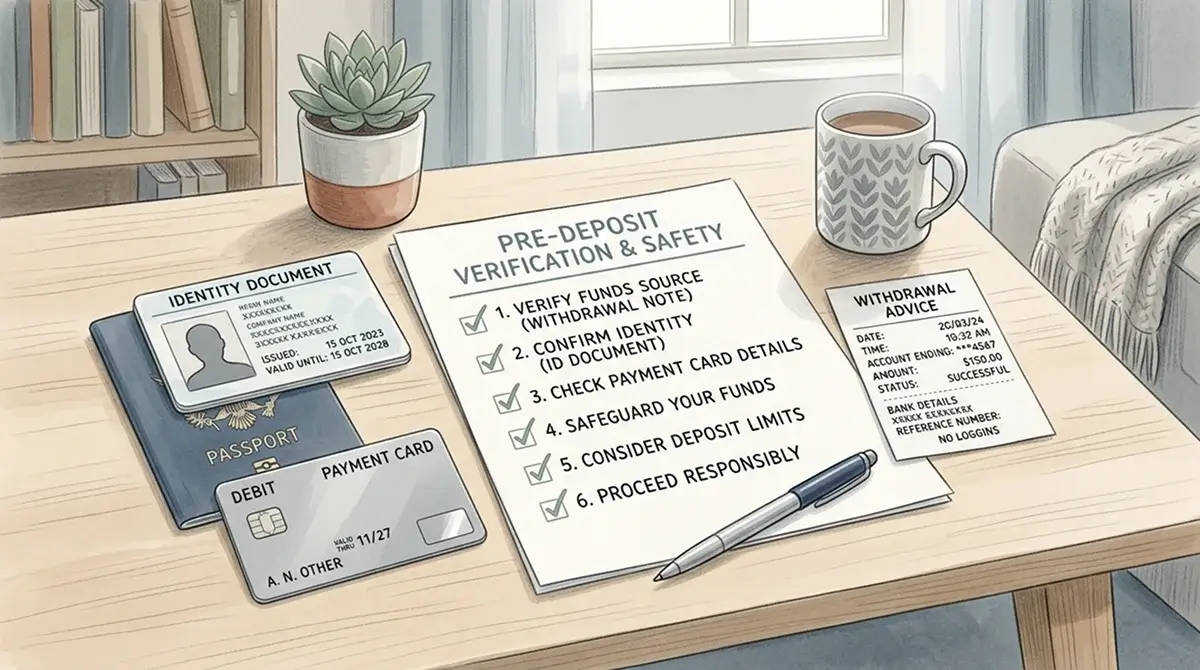
Before depositing, you should be able to answer six plain questions. Who is the gambling business? Can its status be checked through official information? What payment methods are allowed, and are you using them for the right reason? What ID checks can happen, and when? How do withdrawals and bonus balances work? What protection is stated for customer funds?
If you cannot answer those questions, the missing information is the answer. Wait until the terms are clear. If the missing information is mixed with pressure to act quickly, a bonus countdown or language that treats protection tools as obstacles, step back. A gambling decision made in uncertainty is usually a weaker decision than no decision at all.