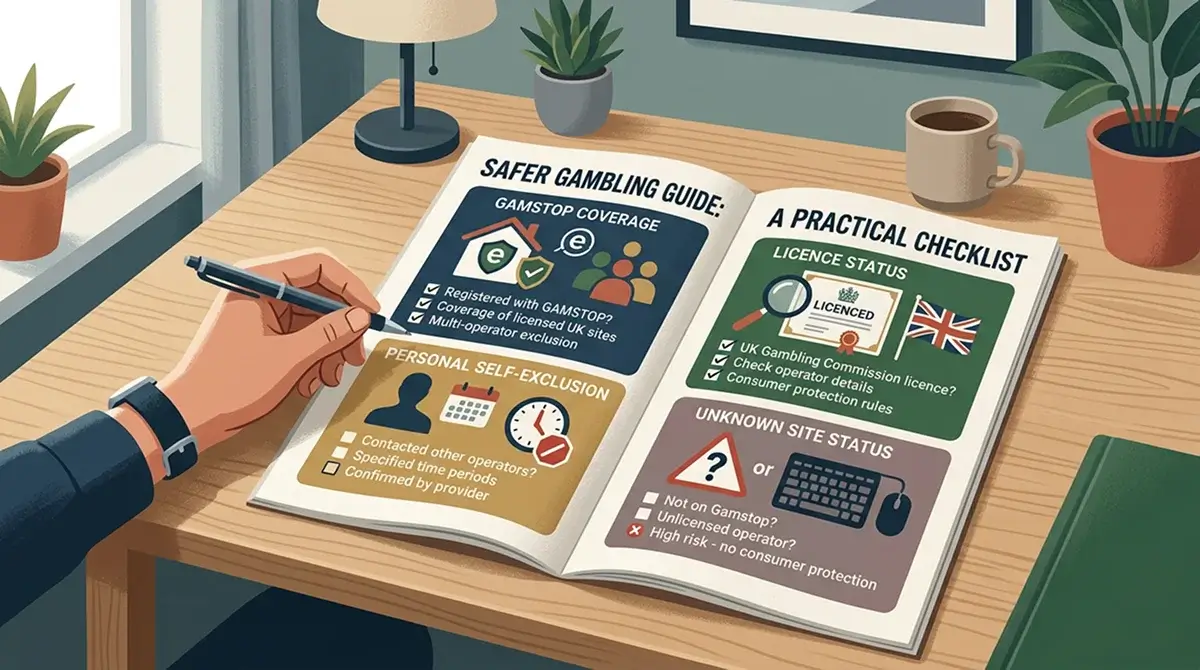
UK Betting Account Privacy and Data Protection Checks
 Available in GB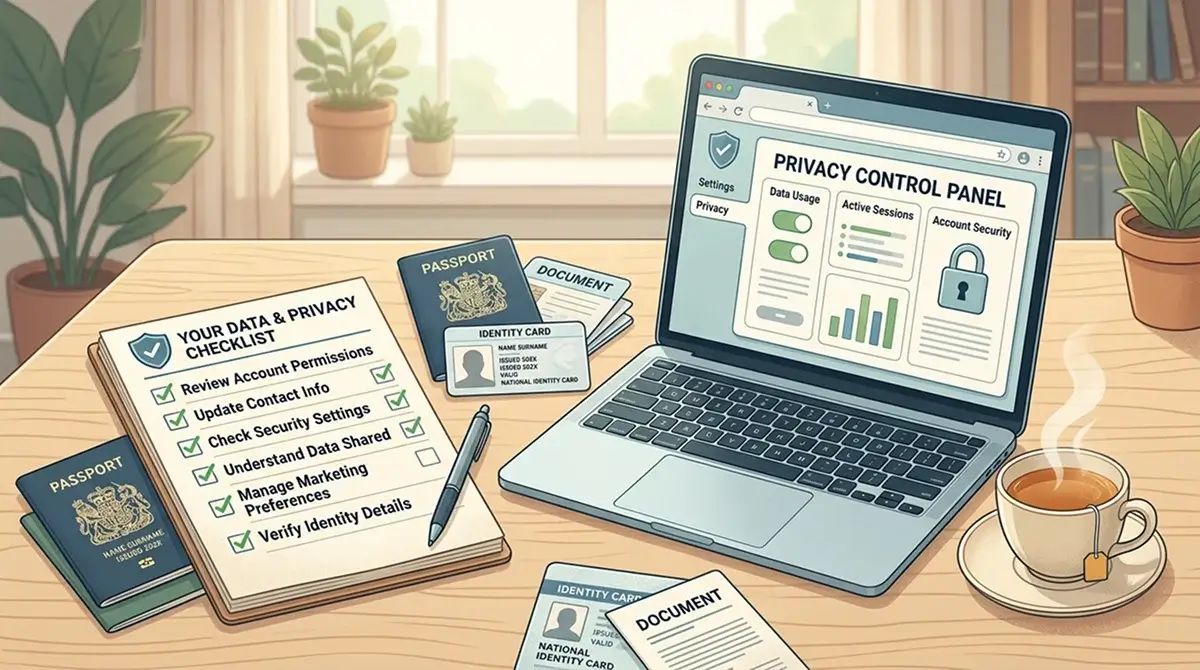
Understanding how your data is shared is crucial, especially when evaluating what not on Gamstop actually means for your privacy and self-exclusion status.
Evaluating Casino Privacy Standards and Data Security
A privacy notice should be understandable before you create an account. It should not require you to guess who is operating the site, why documents are being requested, how long records may be kept, or who receives the information. ICO guidance expects privacy information to be concise, transparent, intelligible, accessible and written in clear and plain language.
Clear does not always mean short. A short notice can still be poor if it hides important details. A longer notice can be useful if it is organised and specific. What matters is whether you can answer practical questions from the information in front of you: what data is collected, what it is used for, whether it is shared, how long it is retained, whether it may be transferred internationally, and how you can exercise your rights.
Do not rely on a lock icon, a generic “secure” badge or a vague promise that data is safe. Those statements may say little about what will happen to identity documents, account history, behavioural information or tracking data. Read the actual notice.
Identity documents are a data issue as well as an account issue
Online gambling age and identity checks can involve documents such as passports, driving licences and household bills. These documents are sensitive in an everyday sense even when the legal category is more specific. They can contain your full name, address, date of birth, photograph, document number and other information that would be difficult to replace if mishandled.
Before uploading anything, check whether the site explains what document is needed, why it is needed, where it should be uploaded, how it will be reviewed, and what happens if the document is rejected. The answer may sit in the account verification section rather than the privacy notice, so read both. If the instruction is vague or only appears in a chat message, ask for the official process inside the account or terms before sending documents.
Verification timing can vary depending on the business and the checks required, but a complete absence of age and identity checking should not be treated as a positive sign. Verification supports age controls, identity controls and self-exclusion checks. Privacy and protection are not opposites here; a well-run account process should be able to explain both.
A privacy and account-data checklist
| Question to ask | Why it matters | Cautious reading |
|---|---|---|
| Who is collecting the data? | You need to know the business behind the account and how it can be contacted. | Compare the privacy notice with the terms, licence information and account pages. |
| What is collected and why? | Identity, payment and account behaviour may be used for different purposes. | Look for specific purposes rather than broad phrases such as “for business needs”. |
| How long is data kept? | Retention matters after account closure, disputes and verification checks. | Check whether retention periods or criteria are explained in plain language. |
| Who receives the data? | Payment providers, verification services, group companies or authorities may be mentioned. | Look for categories of recipients and why sharing may happen. |
| Are transfers outside the UK explained? | Some services may involve cross-border processing. | Check whether the notice explains safeguards or points you to clear information. |
| Are automated decisions or profiling mentioned? | Account controls, risk checks or marketing choices may involve automated processing. | Look for plain wording about when this happens and what it means for you. |
| How are tracking choices handled? | Cookies and online tracking can shape marketing, analytics and account experience. | Meaningful choice should be easy to understand, not hidden in confusing controls. |
| How can you contact the business about data? | A rights request is difficult if the contact route is unclear. | Look for a privacy contact or data-protection contact that appears usable. |
If several answers are missing, do not fill the gaps with optimism. Missing information may not prove wrongdoing, but it does mean you do not yet have the clarity needed to make a careful decision.
Your rights, in practical terms
ICO guidance lists individual rights including the right to be informed, access, rectification, erasure, restriction, portability, objection, and rights around automated decision-making and profiling. Those rights do not mean every request will produce the outcome you want, and they do not replace the gambling complaint process. They do mean that privacy information should tell you enough to understand how your personal information is being used and how to make a rights request where appropriate.
The right of access is especially practical. It can let a person ask whether personal information is being processed and obtain a copy of it with supplementary information. In a gambling account context, that may help you understand records held about identity checks, account history or communications. It should not be used as a shortcut for every withdrawal or bonus dispute, but it can be relevant when the problem is genuinely about personal information.
If a site gives no clear route for privacy questions, or if the privacy contact does not match the business details in the terms, treat that as a warning sign. A trustworthy process should not make basic data questions feel impossible.
Tracking, marketing and account behaviour
Privacy does not stop at identity documents. Gambling sites can also collect online behaviour, device information, cookie data, marketing preferences and account activity. ICO has emphasised meaningful choice and control over how personal information is tracked and used online. For a user, that means cookie choices should be understandable and not designed to pressure you into accepting everything without thinking.
Read whether tracking is used for analytics, personalisation, advertising, fraud prevention or account security. These purposes are not the same. A notice that treats them as one vague category gives you less control and less understanding. Also check how marketing choices are handled. Gambling marketing can be risky if you are self-excluded, blocked or trying to reduce gambling, so do not ignore preference settings.
If you already have a payment issue, withdrawal delay or account dispute, keep privacy questions separate from the money question. For payment and verification wording, use the payment, ID and withdrawal guide. For an existing complaint, use the withdrawal and account problem route. For official status checks before you create an account, use the before-deposit checking guide.
Red flags before you send documents
- The privacy notice does not clearly identify the business or contact route.
- Identity documents are requested without a clear account process or explanation.
- The site praises weak verification as if it were a privacy benefit.
- Cookie or tracking controls are hard to understand or hard to change.
- Retention, sharing or international transfer wording is missing or too vague to follow.
- Marketing choices are unclear, especially if you are trying to reduce gambling exposure.
The safe response to unclear data wording is not to invent a comforting answer. It is to pause, check the official status of the business, read the account and privacy information together, and avoid sending documents through unclear channels. If the site cannot explain what happens to your personal information in plain language, it has not earned your trust.
For a secure gaming experience without restrictive tracking, explore the best non Gamstop betting platforms available to British punters today.